

Adult Psychotherapy
The clinic provides individual psychological therapy for adults, aimed at assisting with emotional difficulties, distress, and improving daily functioning. Therapy sessions are held in a consistent setting, typically consisting of a weekly 50-minute meeting.
To register for treatment, please click here
Therapeutic Approaches
While our clinic offers several therapeutic modalities, all emphasize the importance of the personal bond between therapist and client—a relationship tailored to the client's unique needs and dedicated to their well-being.
Psychodynamic Therapy
Dynamic (or psychodynamic) therapy is generally open-ended. The client is invited to freely share experiences, thoughts, and feelings. Rather than actively directing the session, the therapist listens, reflects, and interprets the content raised, helping the client achieve deeper self-understanding. This process facilitates positive changes in the client’s emotional state and coping mechanisms.
Cognitive-Behavioral Therapy (CBT)
CBT consists of two primary components. The cognitive component is focused on identifying unhelpful thought patterns about oneself and the world, and replacing them with more flexible, beneficial ones. The behavioral component is Aimed at changing unwanted habits and acquiring more effective ones. CBT is typically focused on specific difficulties and requires the client to take an active role, including practicing tasks outside of session hours according to a pre-defined treatment plan.
Rehabilitative Approach
Rehabilitative therapy is designed for individuals and families dealing with physical, developmental, social, or mental disabilities and illnesses. It is also highly effective for those experiencing loss and grief. This approach integrates dynamic, cognitive-behavioral, and existential perspectives, tailored specifically to the individual's needs.
Schema Therapy
This therapy is designed to address long-standing emotional issues and interpersonal relationship difficulties. It combines principles from CBT, experiential therapy, and interpersonal therapy. The therapist helps the client identify maladaptive schemas (deep-seated patterns) regarding themselves and the world, replacing them with healthier, more constructive schemas.
The clinic provides individual psychological therapy for adults, aimed at assisting with emotional difficulties, distress, and improving daily functioning. Therapy sessions are held in a consistent setting, typically consisting of a weekly 50-minute meeting.
To register for treatment, please click here
Therapeutic Approaches
While our clinic offers several therapeutic modalities, all emphasize the importance of the personal bond between therapist and client—a relationship tailored to the client's unique needs and dedicated to their well-being.
Psychodynamic Therapy
Dynamic (or psychodynamic) therapy is generally open-ended. The client is invited to freely share experiences, thoughts, and feelings. Rather than actively directing the session, the therapist listens, reflects, and interprets the content raised, helping the client achieve deeper self-understanding. This process facilitates positive changes in the client’s emotional state and coping mechanisms.
Cognitive-Behavioral Therapy (CBT)
CBT consists of two primary components. The cognitive component is focused on identifying unhelpful thought patterns about oneself and the world, and replacing them with more flexible, beneficial ones. The behavioral component is Aimed at changing unwanted habits and acquiring more effective ones. CBT is typically focused on specific difficulties and requires the client to take an active role, including practicing tasks outside of session hours according to a pre-defined treatment plan.
Rehabilitative Approach
Rehabilitative therapy is designed for individuals and families dealing with physical, developmental, social, or mental disabilities and illnesses. It is also highly effective for those experiencing loss and grief. This approach integrates dynamic, cognitive-behavioral, and existential perspectives, tailored specifically to the individual's needs.
Schema Therapy
This therapy is designed to address long-standing emotional issues and interpersonal relationship difficulties. It combines principles from CBT, experiential therapy, and interpersonal therapy. The therapist helps the client identify maladaptive schemas (deep-seated patterns) regarding themselves and the world, replacing them with healthier, more constructive schemas.
Child and Adolescent Psychotherapy
The clinic offers specialized psychological treatment for children and adolescents. Therapy for children differs from adult therapy due to unique stages of cognitive and emotional development. Depending on the child's age and specific needs, treatment is conducted through play therapy, talk therapy, or a combination of both.
The Power of Play
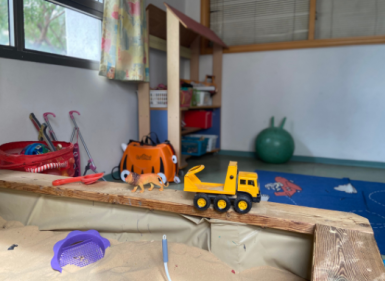
Naturally, younger children express themselves through play. A child may use play for enjoyment, but also as a vital way to communicate emotions, wishes, and concerns that may be troubling them. The nature of the play evolves according to the child’s personality and developmental stage. In a therapeutic setting, play serves as a primary form of communication and a powerful clinical tool. Through play, we:
-
Promote the child’s healthy development.
-
Provide emotional support.
-
Equip the child with new tools and coping mechanisms.
Parental Guidance
Alongside the work with the child, we provide Parental Guidance. This stems from the understanding that parents are the primary agents of change in their children’s therapeutic journey and overall well-being.
To register for treatment, please click here.
The clinic offers specialized psychological treatment for children and adolescents. Therapy for children differs from adult therapy due to unique stages of cognitive and emotional development. Depending on the child's age and specific needs, treatment is conducted through play therapy, talk therapy, or a combination of both.
The Power of Play
Naturally, younger children express themselves through play. A child may use play for enjoyment, but also as a vital way to communicate emotions, wishes, and concerns that may be troubling them. The nature of the play evolves according to the child’s personality and developmental stage. In a therapeutic setting, play serves as a primary form of communication and a powerful clinical tool. Through play, we:
-
Promote the child’s healthy development.
-
Provide emotional support.
-
Equip the child with new tools and coping mechanisms.
Parental Guidance
Alongside the work with the child, we provide Parental Guidance. This stems from the understanding that parents are the primary agents of change in their children’s therapeutic journey and overall well-being.
To register for treatment, please click here.