



Dr. Gilad Greenwald
Senior Lecturer at Bar-Ilan University's School of Communication

Dr. Gilad Greenwald is a Senior Teacher and researcher in Bar-Ilan University's School of Communication. His areas of expertise include political communication, journalism, media and popular culture (media events), and communication and gender. Dr. Greenwald has published numerous academic articles in Hebrew and English, presented his research at conferences in Israel and abroad, and served as a reviewer and editorial board member for peer-reviewed journals. In addition to his research, he holds a teaching certificate from Tel Aviv University and has extensive experience in higher education teaching at Bar-Ilan University and other academic institutions. Throughout his career, Dr. Greenwald has received numerous awards for excellence and innovation in teaching.
View CVFields of Interest

Media, Gender & Politics

Media History

Media Events and Eurovision Song Contest

Media and LGBTQ+
Publications
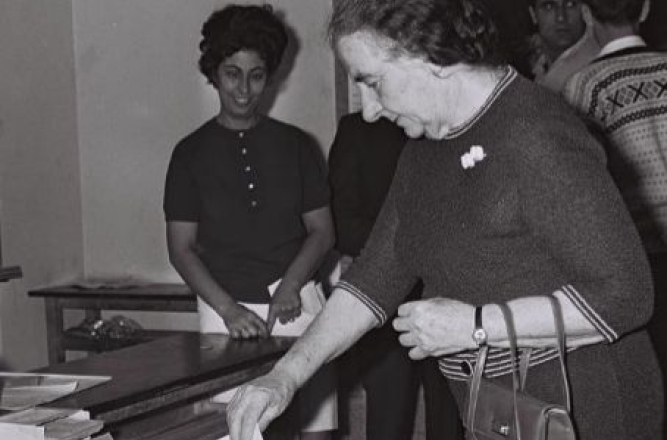
Golda never identified as a feminist; others projected that onto her
Despite her desire to avoid being cast as a ‘feminist’ through becoming PM, the Yom Kippur, 1973 war ironically established a distinct gender discourse around her historical character.