



From social threat to adaptation
Social anxiety, narcissism, and resilience in adolescence and beyond

The Social Threat & Adaptation Lab studies how people respond and adapt to social threats: humiliation, exclusion, and the loss of status. We ask how these experiences shape social anxiety, narcissism, and resilience, why some adolescents and young adults are harmed by them while others are not, and how schools, campuses, and counselors can intervene early. We combine experimental paradigms, ecological momentary assessment, and symptom-network models, and we translate what we find into screening tools and brief, process-based interventions.
Contact UsFields of Interest
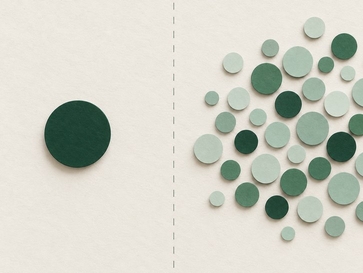
Social Trauma
Humiliation, exclusion, and status loss as traumatic events, and who is harmed by them

Social Anxiety as Low-Status Regulation
Social anxiety as a system for navigating dominance hierarchies

Grandiose Narcissism and Rank Sensitivity
Status-ascent motivation, rank-contingent self-worth, and their costs
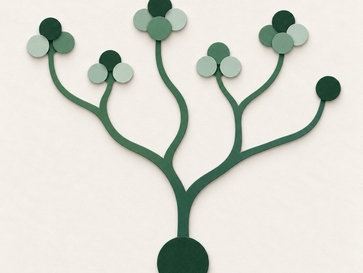
An Evolutionary Approach to Psychopathology
Symptoms as organized responses to recurring social problems, and when they stop serving us

Process-Based Intervention in Schools and on Campus
Brief process-based interventions for counselors and schools
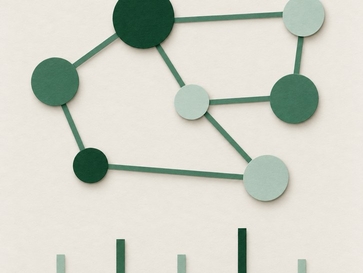
Methods: Experience Sampling, Symptom Networks, and Large-Scale Data
Experience sampling, symptom networks, and large-scale data
Recent Publications
CyberStatus: Responses to status manipulation and fears of positive and negative evaluations
Post-traumatic distress following physical and social stressors: A comparison of symptoms networks
The scarring impact of status loss in social anxiety: An evolutionary perspective
Self and identity in social anxiety disorder
Contact Us
Questions, collaborations, or joining the lab: we would be glad to hear from you.