
Personality•Cognition•Environment
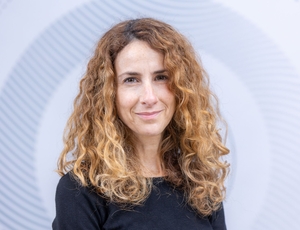
My research focuses on personality traits, particularly impulsivity and aggression, from an interdisciplinary perspective aimed at understanding risk-related behaviors, integrating socio-criminological, biological, and cognitive factors. This work is grounded in the assumption that human behavior emerges from dynamic interactions between the social environment and underlying neurobiological processes. As part of a Marie Curie (IOF) fellowship, I completed my postdoctoral training at UCLA, in the Cognitive Neuroscience Lab within the Department of Psychology.

As a clinical criminologist and psychotherapist by training, I view the integration of academic research with field-based work as a central component of my work. Bringing these perspectives together, I believe that sustained engagement with the community is essential for advancing both theoretical research in criminology and its practical applications, particularly in contexts involving populations at risk.

I currently serve as Head of the Neurocriminology M.A. Program and as a member of the Gonda (Goldschmied) Multidisciplinary Brain Research Center.

Fields of Interest

Environmental Context, Biology, and Behavior

Neurocognitive and Executive Functions in Risk Behavior

Mindfulness, Mindful Movement, and Regulatory Processes

Recent Publications

Leshem, R., & Mashal, N. (2024). What does metaphoric language say about aggression? The relationships between metaphoric language, impulsivity, and aggression. Acta Psychologica, 243, Article 104173. https://doi.org/10.1016/j.actpsy.2024.104173
Leshem, R. (2024). Internal and External Crime Hot Spots: From Neural to Micro-Geographical Networks. International Annals of Criminology, 62(1), 56-78. https://doi.org/10.1017/cri.2024.3
Leshem, R., Catz, O., & Nave, A. (2024). The Relationship Between Mindfulness and Impulsivity: The Role of Meditation. Mindfulness, 15(5), 1234-1251. https://doi.org/10.1007/s12671-024-02371-0

International Projects

Temporal Reframing of Intertemporal Choice across Countries (TRICC)

International Collaboration | University of Bonn, Germany

This multi-site project examines temporal discounting and intertemporal decision-making across cultural and economic contexts. The study investigates how individuals evaluate immediate versus delayed rewards, and whether framing time as calendar dates rather than delays influences decision-making across countries.

The project is conducted in collaboration with the Section of Cognitive Psychology and Experimental Clinical Psychology, Department of Psychology, University of Bonn (Germany), and brings together researchers from more than 70 countries worldwide.

🗺️ Global collaboration across Europe, Asia, Africa, the Middle East, North and South America, and Oceania.

Chronotype, Sleep Quality and Personality: A Journey Towards Better Mental Health (CHIME)

International Collaboration | Brunel University of London

CHIME is an international research project examining the relationships between chronotype, personality traits, sleep quality, and mental health. The study explores how circadian preferences and sleep-related factors may interact with cognitive, emotional, and physical well-being among individuals with and without childhood trauma.

The project is led by the Centre for Cognitive and Clinical Neuropsychology at Brunel University of London, in collaboration with the University of Bonn (Germany) and BSPID (British Society for the Psychology of Individual Differences), and includes a consortium of more than 30 researchers from 13 countries.

🗺️ Global collaboration across Europe, Asia, and Oceania.

🔗 Project website:
https://samferrer1117.wixsite.com/chime-project


Contact Us

I invite prospective MA and PhD students who are interested in undertaking lab or field research in any of my areas of interest to contact me regarding supervision.