


ROS Metabolism and Signaling in Plants Stress Responses
Plants constantly face environmental challenges—from extreme temperatures and drought to excessive light. Our research explores how plants sense and respond to these stresses and, ultimately, how they adapt and survive.
A central focus of our work is reactive oxygen species (ROS). Although ROS can accumulate to damaging levels under stress, they also serve as essential signaling molecules that help coordinate cellular responses and acclimation. We aim to understand how plants balance these two faces of ROS and how redox signals regulate plant physiology, development, and stress tolerance.
Using Arabidopsis thaliana as our primary model system, we investigate the mechanisms that control ROS production, signaling, and detoxification through genetic, molecular, cellular, and physiological approaches. Our goal is to uncover new regulatory pathways that shape plant responses to a changing and challenging environment.
Fields of Interest
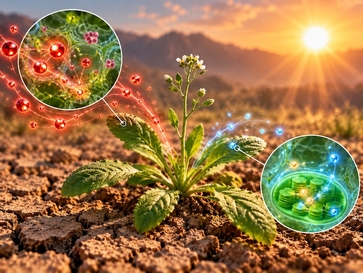
ROS Metabolism and Signaling in Acclimation to Abiotic Stress
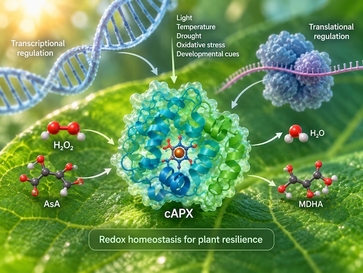
Cytosolic Ascorbate Peroxidases: Function and Regulation