DATE: March 10, 1975
ROUTE: Moscow to Kiev
LANGUAGE: Yiddish in Soviet orthography
SOURCE: Center for the Studies of History and Culture of East European Jewry (Judaica Center)
ASSOCIATES:
GEOGRAPHY:
SUBJECTS:
Falikman's book Fayer un ash [Fire and Ashes]
יעכיִעל טײַערער!
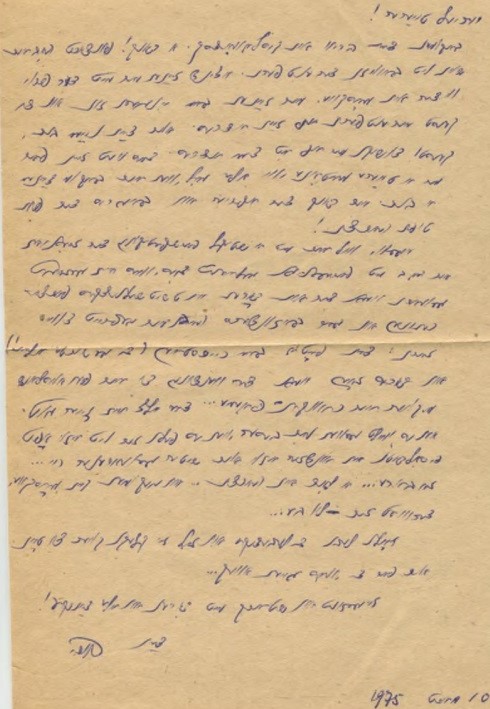
באקומען דעם בריוו אין קיסלאָוואָדסק. א דאנק! פון דאָרט האָב איך דאן ניט באוויזן דיר ענטפערן. אצינד זײַנען מיר מיט דער פרוי ווידער אין מאָסקווע. מיר זײַנען בײַ אונדזער זון און דו קענסט מיר ענטפערן אף זײַן אדרעס. אויך דײַן נײַ בוך קענסטו צושיקן מיר אף אָט דעם אדרעס. דאָס וועט זײַן פאר מיר א טײַערע מאטאָנע ווי אלע מאָל, ווען איך באקום דײַנס א בוך, איך דאנק דיר אפריִער און באגריס דיך פון טיפן הארצן!
אגעוו, וויל איך מיט א שטיקל פארשפּעטיקונג דיר זאָגן, אז איך האָב מיט פארגעניגן געלייענט דאָס, וואָס איז געזאָגט געוואָרן וועגן דיר און דאָרען אין טשיטשעלניצקיס פארצייכענונג און מיר באזונדערס הארצלעך געליבט צוויי זאכן: דעם פאָטאָ באם רייכסטאג (די געשיכטע אויך) און דאָרעס זאָג וועגן דער ווענדונג צו מיר פון אויסלאנד מיקויעך אײַער כאווקין־פּאָעמע... דאָס אלץ איז זייער גוט. און עס וואָלט געווען נאָך בעסער, ווען עס פעלן זיך ניט אזוי אָפט די סאָלדאטן אין אונדזער אזוי אויך שיטער געוואָרענער ריי...
זאבארע... א לאָך אין הארצן. און געקומען קיין מאָסקווע, דערוווּסט זיך – ליובע...
זאָלן לעבן די לעבעדיקע און זאָל קלעקן קויעך צו טאָן אויך פאר די, וואָס גייען אוועק...
זײַ געזונט און שטארק מיט דאָרען און אלע דײַנינקע!
דײַן בוזי
10 מארט 1975
CONTENT
The Birobidzhan Yiddish writer Buzi Miller, who has just returned from Kislovodsk and is visiting his son in Moscow, asks Falikman to send him to Moscow a copy of his new book Fayer un ash [Fire and Ashes]. Both were members of the Sovetish Heymland editorial board, but lived far from each other and rarely met in person.
Miller expresses his positive reaction to Yekhiel Tshitshelnitski's essay on Falikman and his wife Dore Khaykin (1913-2006), whom he sends regards. He especially liked the photo and history of the Reichstag, as well as Haykin's remarks about an appeal to him from abroad regarding Falikman's poem about Matvei Khavkin.
Miller mourns the recent passing of Natan Zabara and the Birobidzhan poetess Lyube Vaserman. He bitterly regrets that “our already meager ranks have thinned further”.
FACTS AND EVENTS
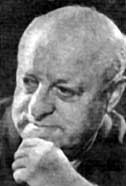
Buzi Miller (born as Ber Meyler, 1913, in Kopai, Ukraine) was a student and a worker in Kharkov, in 1936 graduated from the Moscow Pedagogical Institute and went to Birobidzhan. In 1949 he, along with Lyube Vaserman and other Birobidzhan Yiddish writers, was arrested. In 1956 the Court of the Jewish Autonomous Region rehabilitated them for lack of corpus delicti.
Kislovodsk is a popular spa resort in the North Caucasian region of Russia.
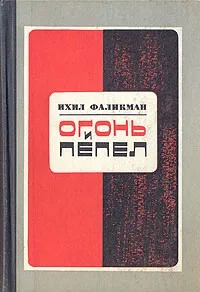
Falikman’s book Fayer un ash [Fire and Ashes], serialized in Sovetish Heymland in 1975 and issued in Moscow in 1977 in the Russian translation (Ogon i Pepel), is a sequel to his novel Der shvartser vint [The Black Wind] (see Podryatshik’s letter to Falikman). It reflects the events of the WWII. The action unfolds at the beginning of the Stalingrad battle and ends with the campaign of Soviet troops in the west.
Yekhiel Tshitshelnitski (1909-1980) worked as the secretary in charge and later on the editorial board of Sovetish heymland, where he published a series of documentary stories, essays on literary themes, and translations of prose. Due to illness he left Moscow and returned to Czernowitz, where he passed away.
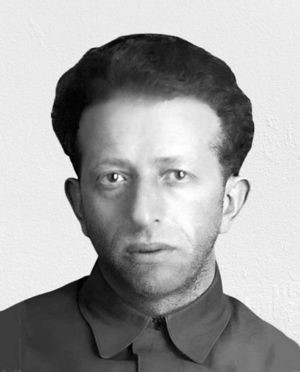
Miller mentions a poem Falikman wrote about Matvei Pavlovich (Mordukh Tevelevich) Khavkin (1897-1981) who served in 1934-1937 as the first secretary of the Communist Party branch for the Jewish Autonomous Region (Birobidzhan). In 1938-1950 he was imprisoned and after release settled in Moscow.