




RESEARCH WORKSHOP OF THE ISRAEL SCIENCE FOUNDATION
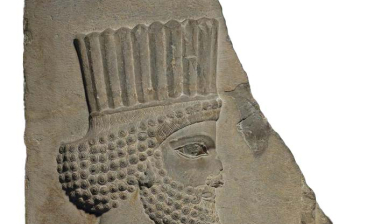
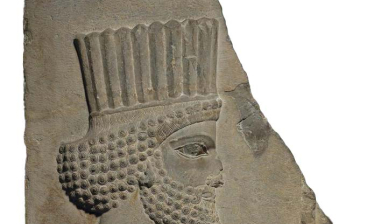
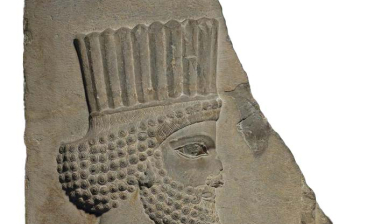
This conference explores the diverse expressions of Judean religious and communal life under Achaemenid rule (538–330 BCE). Three key corpora illuminate this world: the late biblical texts centered on the Jerusalem Temple; the Aramaic papyri from Elephantine, and the cuneiform records from Mesopotamia, reflecting the economic and ritual lives of the diaspora.
Building on recent scholarship that integrates archaeological and textual evidence, the conference examines how Judeans and other imperial subjects adapted to Persian administrative, economic, and religious frameworks. Bringing together experts from multiple disciplines, Temple Life in the Persian Empire invites new discussion on the interaction between empire and temple, and on how imperial contexts shaped cultural identity, ritual practice, and the experience of dispersion.
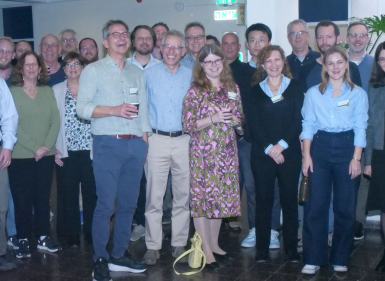
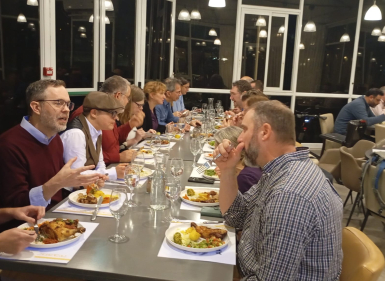
The international workshop Temple Life in the Persian Empire brought together scholars working on diverse textual and archaeological evidence for Judean life during the Persian period (538–330 BCE). The conference explored temple life through late biblical texts centered on Jerusalem, Aramaic papyri from Elephantine, cuneiform documentation from Mesopotamia, and archaeological data, highlighting the integration of textual and material sources.
Across the sessions, participants examined how local communities operated within the administrative, economic, and cultural frameworks of the Persian Empire, both in Judah and in the diaspora. The discussions emphasized the interaction between imperial structures and local traditions and offered new perspectives on religious practice, temple institutions, and community formation under Persian rule.
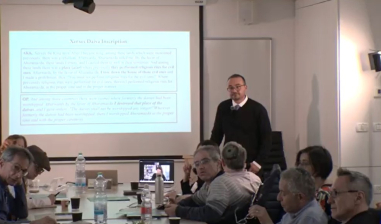
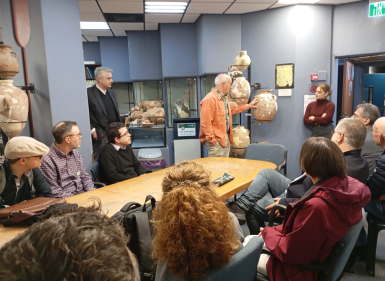
The workshop brought together scholars from Europe and North America, alongside colleagues from Bar-Ilan University and researchers from Jerusalem, Tel Aviv, and Haifa, fostering interdisciplinary dialogue across fields and regions. A visit to the Givati Parking Lot excavations in Jerusalem further enriched the conversations by grounding textual discussions in archaeological context.
The conference was supported by the Israel Science Foundation, with additional assistance from Bar-Ilan University.

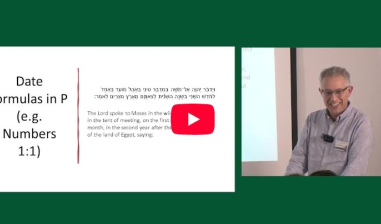
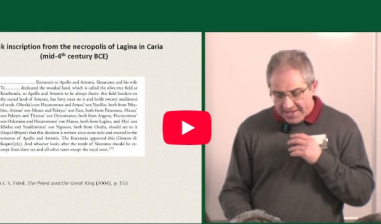
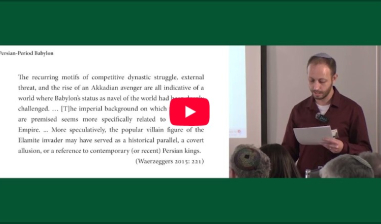
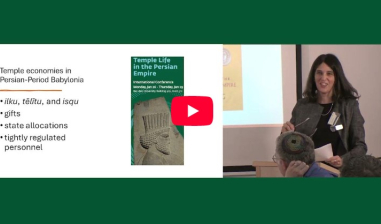
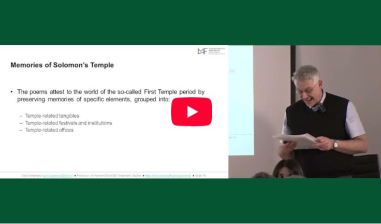
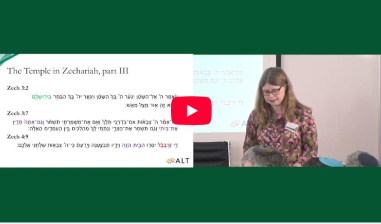
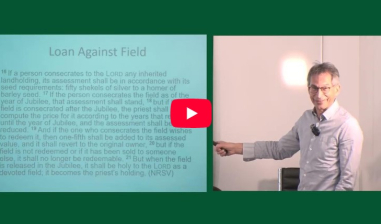
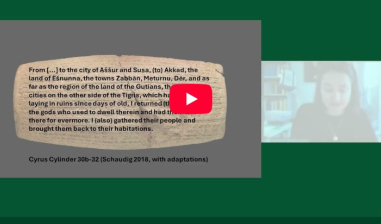
A selection of lectures from the workshop in alphabetical order

Organizing Committee:
Prof. Tova Ganzel (Bar-Ilan University)
Prof. Shalom Holtz (Yeshiva University)
Prof. Kathleen Abraham (KU Leuven)
Prof. Shawn-Zelig Aster (Bar-Ilan University)
Prof. Yigal Levin (Bar-Ilan University)