


Barzilay’s monograph, Poisoned Wells: Accusation, Persecution and Minorities in Medieval Europe, 1321-1422, tracks how the idea of mass well poisoning emerged and evolved over time. It explains how accusations and rumors gained popularity and ultimately resulted in acts of violence against minorities: lepers, Jews, Muslims, vagabonds and foreigners. By disentangling the complex web of political and social forces behind well-poisoning accusations, the book sheds light on how the position of different minorities within medieval society led to different manifestations of these developments, as well as more comprehensive changes, reflecting fundamental shifts in the majority society towards minorities as a category. The book also illustrates how the environmental catastrophe of the Black Death propelled the spread of previously existing well- oisoning accusations from the Mediterranean northwards, where they developed new political features. Demonstrating the ways political actors and institutions produced convincing (albeit false) evidence for well poisoning, it tracks how information mobilized political action to undermine the status of different European minorities, ultimately leading to violence.
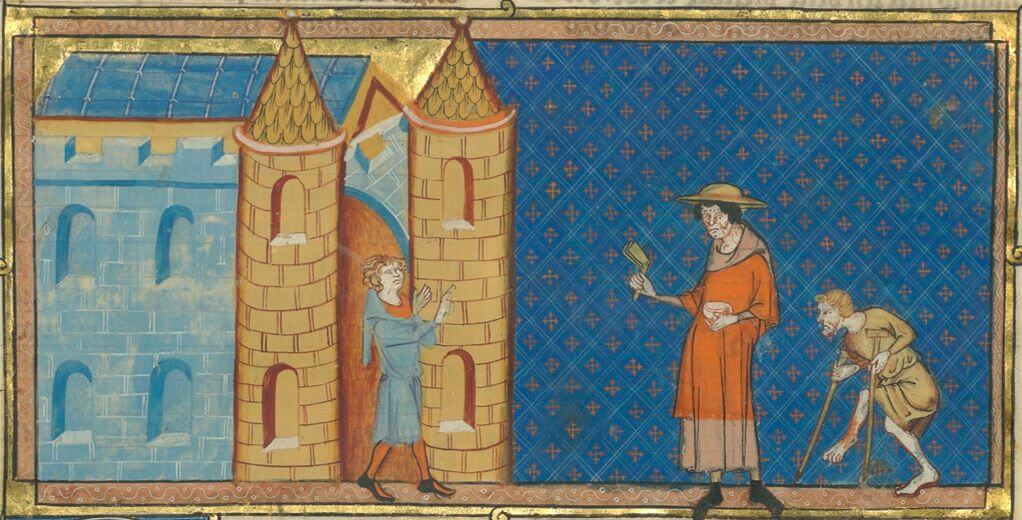
Image credit: Paris, BnF, Bibliothèque de l'Arsenal, MS 5080 réserve, f. 373r, detail, before 1364 (Vincent of Beauvais, Speculum Majus) License: Gallica, Public Domain