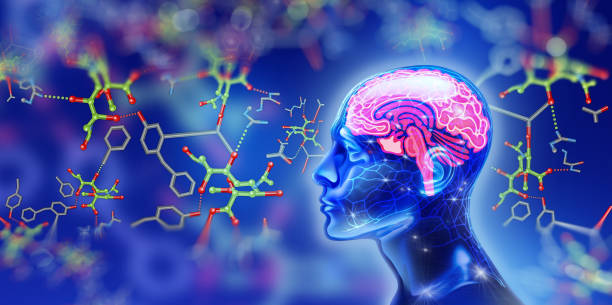


This research area explores the biological mechanisms through which trauma and chronic stress shape the lives of parents and children. We focus on the intricate interplay between the limbic system, which governs emotional processing and threat detection, and the physiological pathways that regulate the stress response. A central component of our work is the study of cortisol, the primary biomarker of the hypothalamic-pituitary-adrenal (HPA) axis. By analyzing cortisol levels, we examine how chronic adversity becomes "biologically embedded" in both parents and their children. Our research investigates how stress-induced alterations in these neurobiological systems affect caregiving and developmental dynamics, with the ultimate goal of identifying pathways toward physiological and relational resilience.