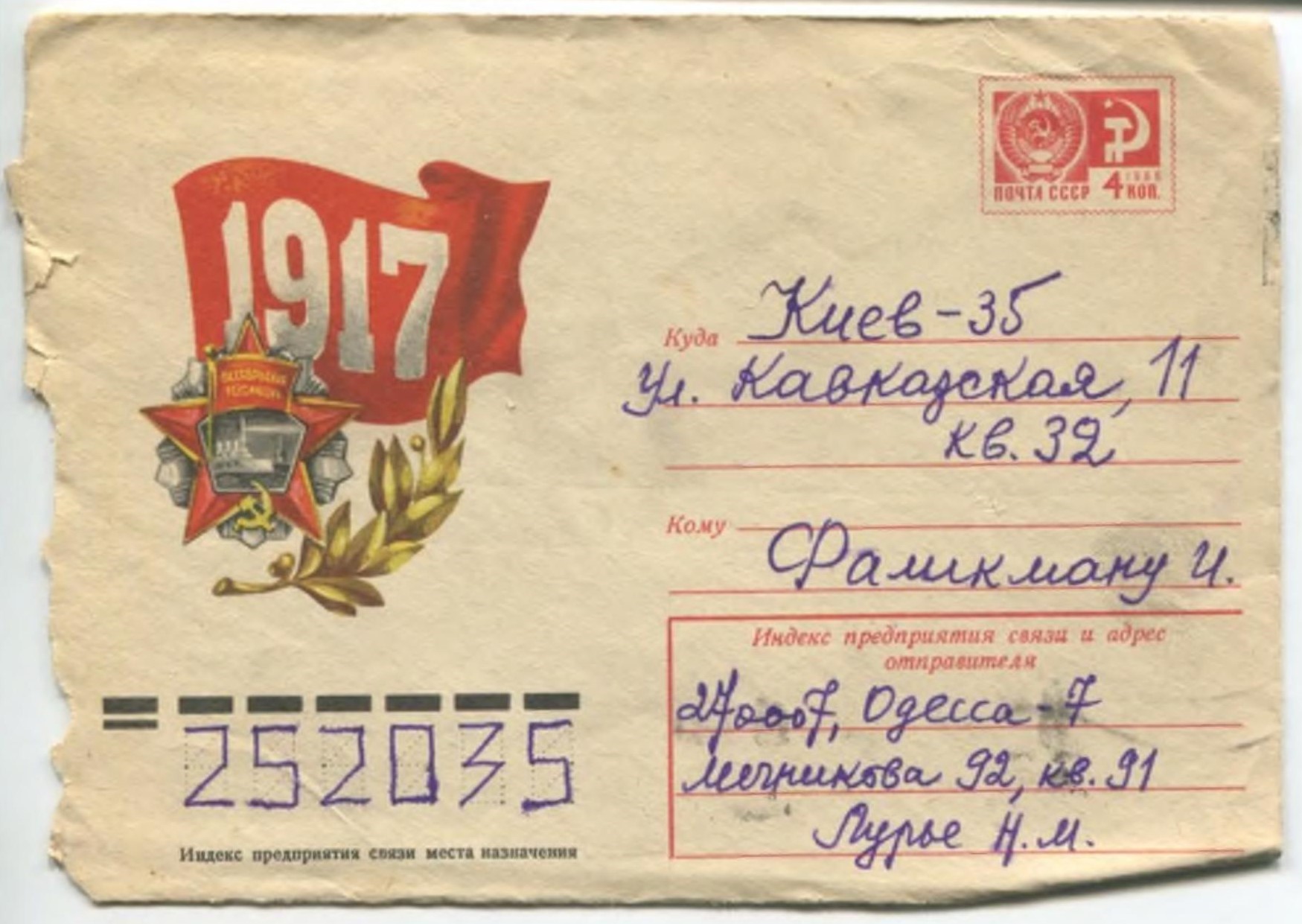
DATE: Nov 14, 1976
ROUTE: Odessa to Kiev
LANGUAGE: Yiddish in Soviet orthography
SOURCE: Center for the Studies of History and Culture of East European Jewry (Judaica Center)
ASSOCIATES:
Khave Lurye
SUBJECTS:
Note Lurye’s novel Di geshikhte fun a libe [The Story of One Love]
publishing house Radyanskyi Pysmennik
14.11.1976
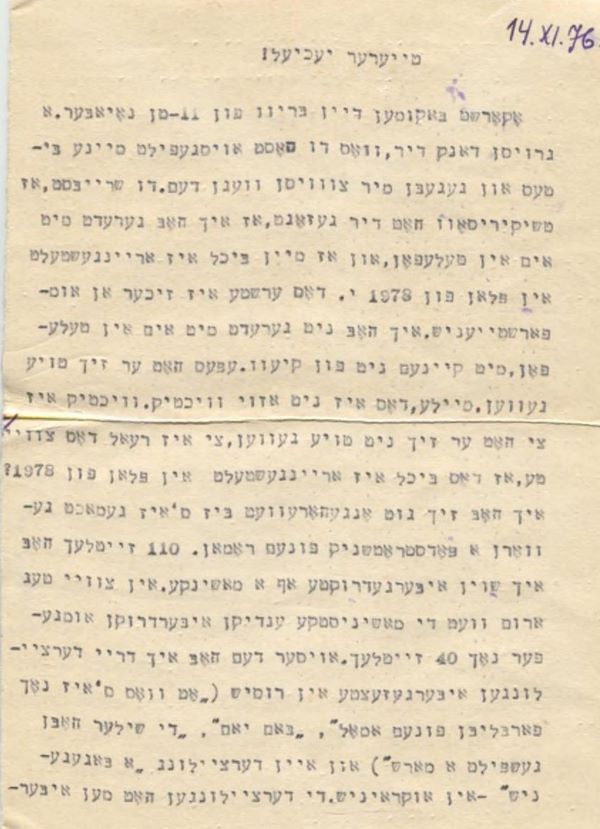
אָריגינעלער (סאָוועטישער) אויסלייג
טײַערער יעכיִעל!
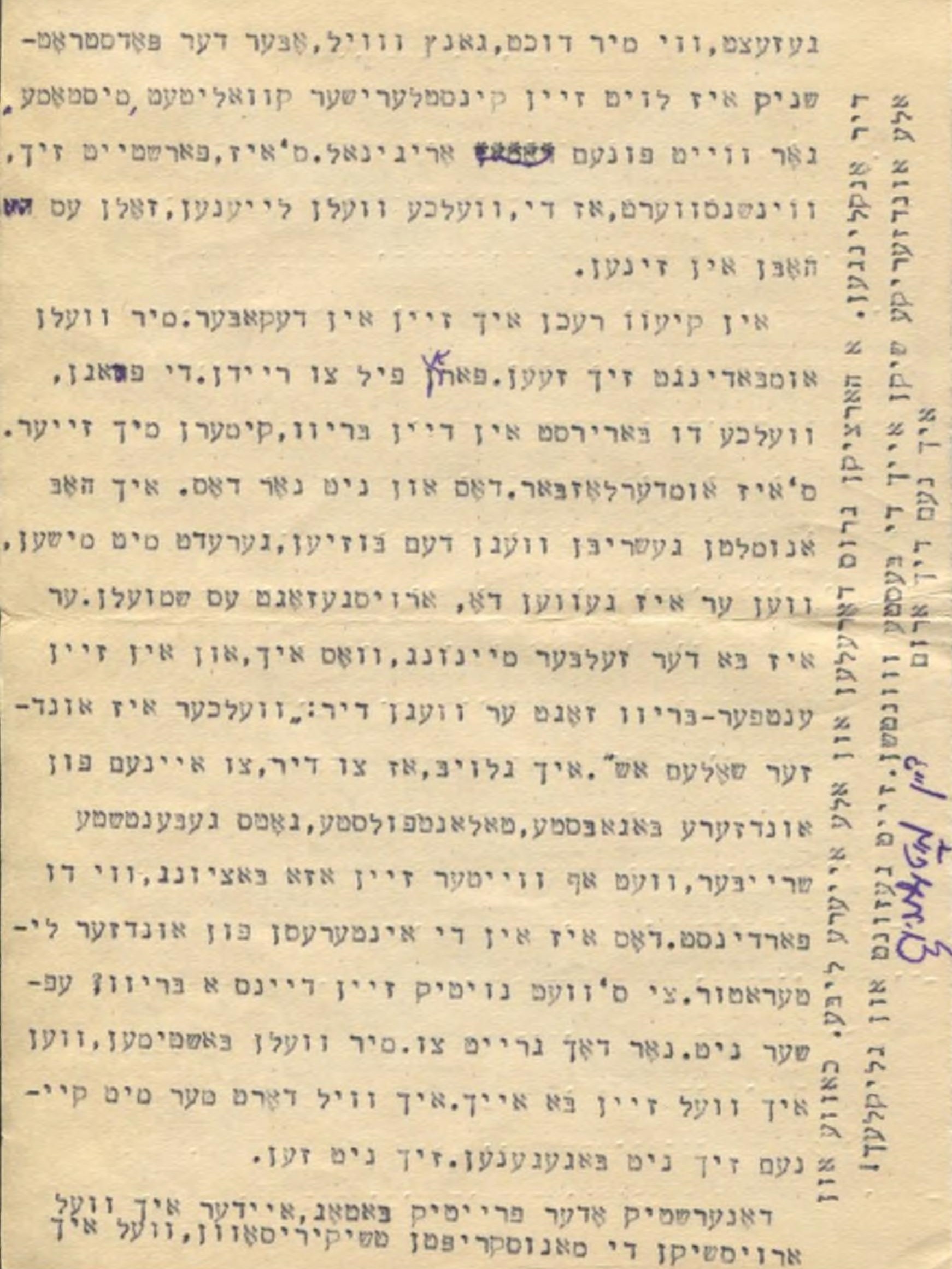
אָקאָרשט באקומען דײַן בריוו פון 11-טן נאָיאבער. א גרויסן דאנק דיר, וואָס דו האָסט אויסגעפילט מײַנע ביטעס און געגעבן מיר צו וויסן וועגן דעם. דו שרײַבסט, אז טשיקיריסאָוו האָט דיר געזאָגט, אז איך האָב גערעדט מיט אים אין טעלעפאָן, און אז מײַן ביכל איז ארײַנגעשטעלט אין פּלאן פון 1978 י. דאָס ערשטע איז זיכער אן אומפארשטייעניש, איך האָב ניט גערעדט מיט אים אין טעלעפאָן, מיט קיינעם ניט פון קיִעוו. עפּעס האָט ער זיך טויע געווען. מיילע, דאָס איז ניט אזוי וויכטיק. וויכטיק איז צי האָט ער זיך ניט טויע געווען, צי איז רעאל דאָס צווייטע, אז דאָס ביכל איז ארײַנגעשטעלט אין פּלאן פון 1978? איך האָב זיך גוט אָנגעהאָרעוועט ביז ס'איז געמאכט געוואָרן א פּאָדסטראָטשניק פונעם ראָמאן. 110 זײַטלעך האָב איך שוין איבערגעדרוקטע אף א מאשינקע. אין צוויי טעג ארום וועט די מאשיניסטקע ענדיקן איבערדרוקן אומגעפער נאָך 40 זײַטלעך. אויסער דעם האָב איך דרײַ דערציילונגען איבערגעזעצטע אין רוסיש ("אָט וואָס ס'איז נאָך פארבליבן פונעם אמאָל", "באם יאם", "די שילער האָבן געשפּילט א מארש") און איין דערציילונג "א באגעגעניש" – אין אוקראיִניש. די דערציילונגען האָט מען איבערגעזעצט, ווי מיר דוכט, גאנץ ווויל, אָבער דער פּאָדסטראָטשניק איז לויט זײַן קינסטלערישער קוואליטעט, מיסטאָמע, גאָר ווײַט פונעם אָריגינאל. ס'איז, פארשטייט זיך, ווינטשנסווערט, אז די, וועלכע וועלן לייענען, זאָלן עס האָבן אין זינען.
אין קיִעוו רעכן איך זײַן אין דעקאבער. מיר וועלן אומבאדינגט זיך זען. פאראן פיל צו ריידן. די פראגן, וועלכע דו בארירסט אין דײַן בריוו, קימערן מיך זייער. ס'איז אומדערלאָזבאר. דאָס און ניט נאָר דאָס. איך האָב אנומלט געשריבן וועגן דעם בוזיען, גערעדט מיט מישען, ווען ער איז געווען דאָ, ארויסגעזאָגט עס שמועלן. ער איז בא דער זעלבער מיינונג, וואָס איך, און אין זײַן ענטפער־בריוו זאָגט ער וועגן דיר: "וועלכער איז אונדזער שאָלעם אש". איך גלויב, אז צו דיר, צו איינעם פון אונדזערע באגאבטסטע, טאלאנטפולסטע, גאָטס געבענטשטע שרײַבער, וועט אף ווײַטער זײַן אזא באציִונג, ווי דו פארדינסט. דאָס איז אין די אינטערעסן פון אונדזער ליטעראטור. צי ס'וועט נייטיק זײַן דײַנס א בריוו? עפשער ניט. נאָר דאָך גרייט צו. מיר וועלן באשטימען, ווען איך וועל זײַן בא אײַך. איך וויל דאָרט מער ניט קיינעם זיך ניט באגעגענען, זיך ניט זען.
דאָנערשטיק אָדער פרײַטיק באטאָג, איידער איך וועל ארויסשיקן די מאנוסקריפּטן טשיקיריסאָוון, וועל איך דיר אָנקלינגען. א הארציקן גרוס דאָרעלען און אלע אײַערע ליבע. כאווע און אלע אונדזערינקע שיקן אײַך די בעסטע וווּנטשן. זײַט געזונט און גליקלעך!
איך נעם דיך ארום.
דײַן נאָטע לוריע
CONTENT
This letter represents a continuation of the correspondence. The Ukrainian writer Yuri Chikirisov has informed Falikman that Lurye had spoken to the former by telephone and that his book, Di geshikhte fun a libe [The Story of One Love], was included in the publisher's plan for 1978. Lurye reports that he did not speak to Chikirisov or anyone else from Kiev (meaning, obviously, literary officials). But for him, this mistake is not so important - he wants to find out whether his book is really in the plan. Lurye tells that he has worked hard and has prepared a copy of the novel, which will soon be finished by a typist. Besides, he has already translated three stories into Russian: “Here is what is left of those times”, “By the Sea” and “Schoolchildren Playing a March”, and one into Ukrainian: “A Meeting”. The writer is not completely satisfied with the quality of the translation.
In December, Lurye is going to visit Kiev and meet with Falikman. The writers have accumulated many topics for personal discussion; one of the issues that bothers Lurye, he calls “impermissible”. Lurye recently discussed the matter with his colleagues Buzi Miler, Mishe Lev and Shmuel Gordon. The latter agrees with Lurye's opinion and calls Falikman “our Sholem Ash” (i.e., one of the most gifted, talented, God-blessed writers, deserving of more respectful treatment).
Lurye sends greetings to Falikman's wife, the Yiddish poet Dore Haikin, on behalf of himself and his family members, in particular his wife Khave (Eva) Lurye.
FACTS AND EVENTS
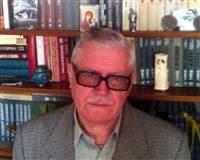
The prose writer Yuri Chikirisov worked for the Ukrainian-language publishing house Radyanskyi Pysmennik [Soviet Writer] and could be well informed regarding its plans. The publishing plan was a key element of the working routine of book publishing houses adopted in the USSR. It is a list of titles of publications scheduled for the upcoming year.
Note Lurye’s novel Di geshikhte fun a libe [The Story of One Love] has been issued in book form in three languages:
- in Yiddish: Moscow, Sovetskiy Pisatel' [Soviet Writer] publishers (the only one in the USSR to issue some Yiddish fiction in that era), 1978.
- in Ukrainian: Kiev, Radyanskyi Pysmennik [Soviet Writer] publishers, 1978; Dnipro [The Dnieper] publishers, 1983.
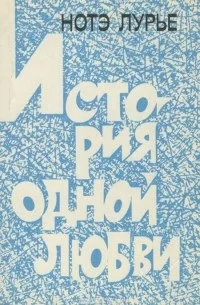
- in Russian: Moscow, Sovetskiy Pisatel', 1981 and 1986.
Several Soviet Yiddish writers are mentioned in the letter:
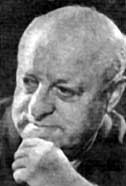
Buzi Miler (1913-1988),
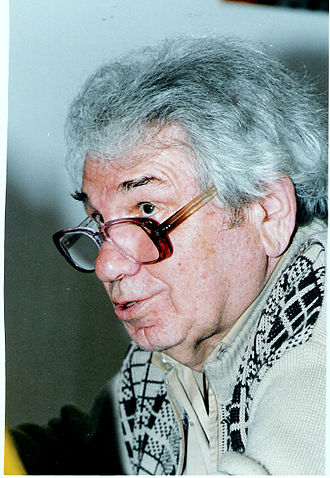
Mishe Lev (1917-2013),
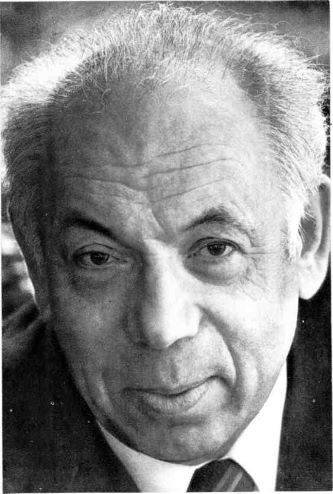
Shmuel Gordon (1909-1998),
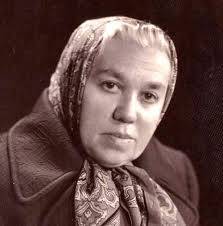
Falikman's wife Dore Khaykin (1913-2006).
A comparison with Sholem Ash (1880-1957), a prominent Yiddish novelist, dramatist, and essayist, should be regarded as great praise.