


DATE: Dec 3, 1960
ROUTE: Moscow to Kiev
LANGUAGE: Yiddish (in Soviet orthography without final letters; some Hebraisms and personal names are spelled traditionally)
SOURCE: Center for the Studies of History and Culture of East European Jewry (Judaica Center)
Rg: 3
ASSOCIATES:
Iosif Gurevitsh
SUBJECTS:
Litfond (The Literary Fund of the USSR)
Decade of Ukrainian Literature and Art (1960)
The Ukrainian Writers' Association
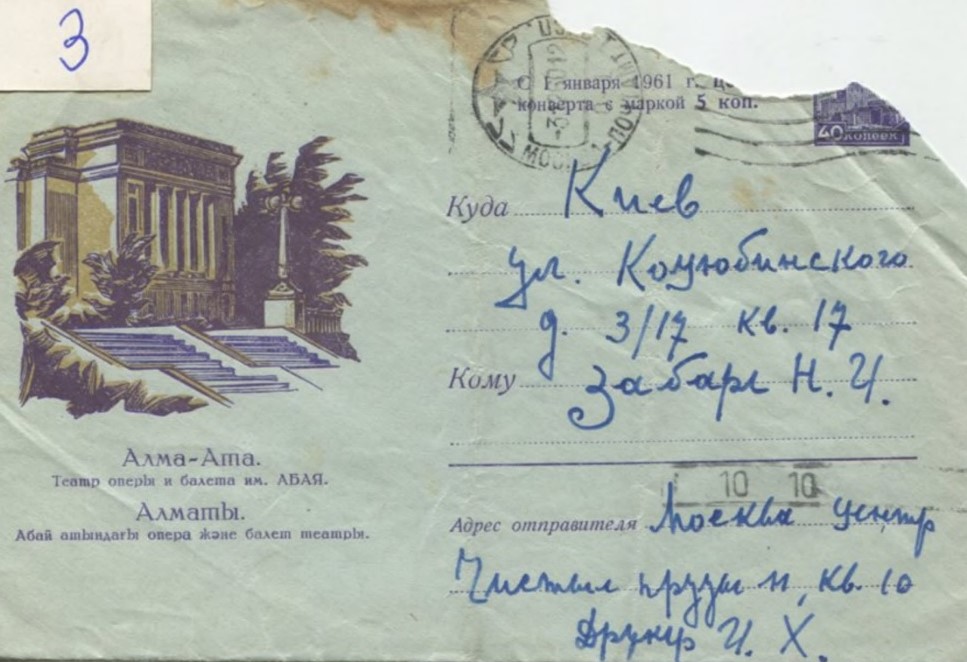
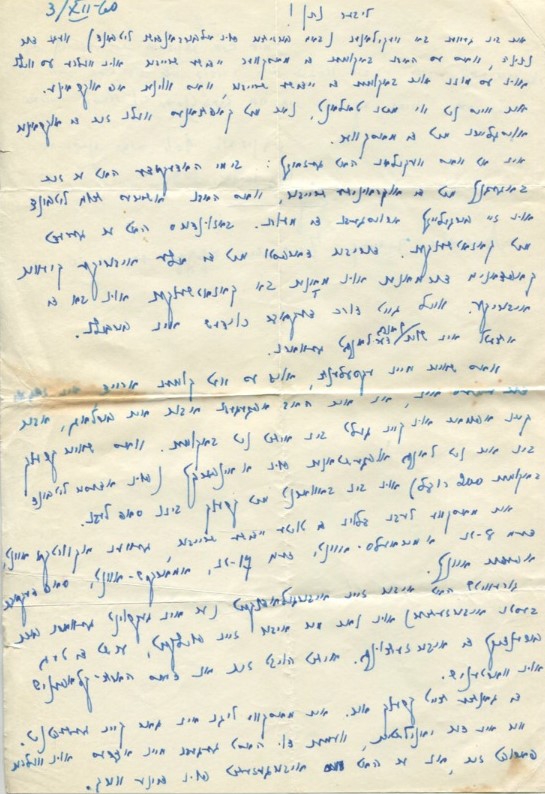
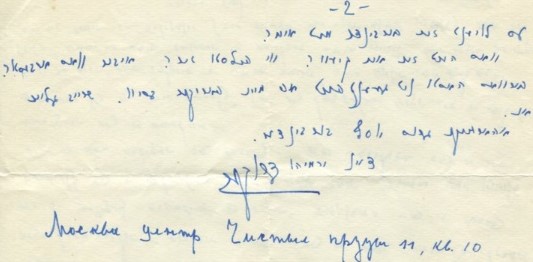
3.12.1960
ליבער נתן!
איכ בינ געווענ בא וועקולאנענ (באם פאָרזיצער פונ אלפארבאנדישנ ליטפאָנד) וועגנ דער נתינה, וואָס עס האָבנ באקומענ די מאָסקווער ייִדישע שרײַבער אונ וועלכע עס ווילנ אונ עס מוזנ באקומענ די ייִדישע שרײַבער, וואָס וווינענ אפ אוקראיִנע. איכ ווייס ניט ווי מיטנ טאלאנט, נאָר מיט קאפּצאָנעס וועלנ זיכ די אוקראיִנער אויסגלײַכנ מיט די מאָסקווער.
איז אָט וואָס וועקולאנ האָט געזאָגט: בימי האדעקאדע האָט ער זיכ באגעגנט מיט די אוקראיִנישע שרײַבער, וואָס האָבנ א שײַכעס צום ליטפאָנד, אונ זיי פאָרגעלייגט ארויסגעבנ די מעות. באזונדערס האָט ער גערעדט מיט קאָזאטשענקענ. דעריבער דארפסטו מיט די אלע איבעריקע קיִעווער קאפּצאָנים דערמאָנענ אונ מאָנענ בא קאָזאטשענקענ אונ בא די איבעריקע. ווײַל גייט דורכ דעקאבער כוידעש – איז פארפאלנ.
א צעטל איז שוינ לאנג דערלאנגט געוואָרנ.
וואָס שײַעכ מײַנ עקסעלענצ, אויב עס וועט קומענ א רייד, איך זאָג אז דער עמעס איז, אז איכ האָב אָפּגעגעבנ א בוכ אינ פארלאג, אָבער קיינ אָפּמאכ אונ קיינ געלט ביז איצט ניט באקומענ. וואָס שײַעכ קרענק, בינ איכ ניט לאנג אופגעשטאנענ פונ אנ אינפארקט (פונ אָדעסער ליטפאָנד באקומענ 200 רובל) אונ בינ באוואָרנט מיט קרענק ביזנ סאָף לעבנ.
אינ מאָסקווע לעבנ בלויז די טויטע ייִדישע שרײַבער, געווענ א קוויטקאָ־אָוונט, דעם 8טנ א מיכאָעלס־אָוונט, דעם 17טנ א מארקיש־אָוונט, סאָף דעקאבער א פעפער־אָוונט.
גורעוויטש האָט איבער זײַנ איבערגעלאָדנקייט (ער איז געקרוינט געוואָרנ פארנ בעסטנ איבערזעצער) אונ נאָכ מער איבער זײַנ פוילקייט, ערשט די טעג פארענדיקט די איבערזעצונג. איצט הייבט זיכ אָנ דאָס הארצ־קלאפּעניש אונ ווארטעניש.
די גאנצע צײַט קרענק איכ. אינ מאָסקווע ליגנ איז גאָר קיינ געשעפט ניט. ווער איז דער יאנילשטיינ (?), וועמענ דו האָסט געגעבנ מײַנ אדרעס אונ וועלכער פארופט זיכ, אז ער האָט איבערגעזעצט פונ דײַנע ווערק. עס לוינט זיכ פארבינדנ מיט אים?
וואָס הערט זיכ אינ קיִעוו? ווי פילסטו זיכ? איבער וואָס ארבעטסטו? פארוואָס האָסטו ניט געענטפערט אף מײַנ פאָריקנ בריוו? שרײַב גלײַכ אָנ.
א הארציקנ גרוס יוסף בוכבינדער.
דײַנ ירמיהו דרוקער
CONTENT
The Odessa Yiddish writer Irme Druker, temporarily staying in Moscow, informs Zabara about the revival of Yiddish cultural life in the Soviet capital after the tragic pause brought on by Stalin’s repressions.
Druker recently met Vartkes Tevekelyan, the head of the USSR Literary Fund, and discussed a certain “handout” received by Moscow Yiddish writers - something that, according to the sender, Ukraine's Yiddish writers deserve as well. Perhaps by this “handout” he means not money or other material assistance, but rather establishing the Moscow-based Yiddish magazine Sovetish Heymland, whose creation was approved in 1960 and which began publication in 1961. Druker jokes bitterly: “I don’t know about talent, but in terms of poverty, Ukrainian Jewish writers are on a par with the Moscow ones.”
The sender reports, citing Tevekelyan, that during the Decade of Ukrainian Literature and Art the latter has met writers from Ukraine (it is unclear whether they were Ukrainian- or Yiddish-speaking ones) and offered them some money. (it is unclear whether they were Ukrainian- or Yiddish-speaking) and offered them some money. Druker calls on Ukrainian Yiddish writers to demand financial support from Vasyl Kozachenko (1913-1995), executive secretary of the Ukrainian Writers' Association, who was authorized to allocate material resources to authors.
He then discusses the work of several translators, recommending cooperation with Iosif Gurevitsh (1905-1966), and advising against collaboration with others.
Druker sends cordial greetings to the Kiev Yiddish writer Yosl Bukhbinder.
Taken as a whole, this letter testifies to the difficult economic conditions of Soviet Yiddish writers. Nevertheless, most of them did receive some material aid from the state.
FACTS AND EVENTS
The USSR Literary Fund, Litfond for short, provided grants to writers in need, organized creative retreats, and assisted in improving their living conditions. It administered Houses of Writers’ Creativity, clinics, bookstores, writers’ clubs, rest homes, and sanatoriums located in the country’s best resort areas. Litfond also allocated summer cottages to distinguished authors. Its budget was formed from writers’ mandatory membership fees as well as contributions from publishing houses and entertainment enterprises.
Druker admits that he himself received financial assistance - 200 rubles from Litfond’s Odessa branch.
At that time, the Armenian writer Vartkes Tevekelyan served as chairman of Litfond’s managing board. In Druker’s letter, his surname is distorted (Vekulan).
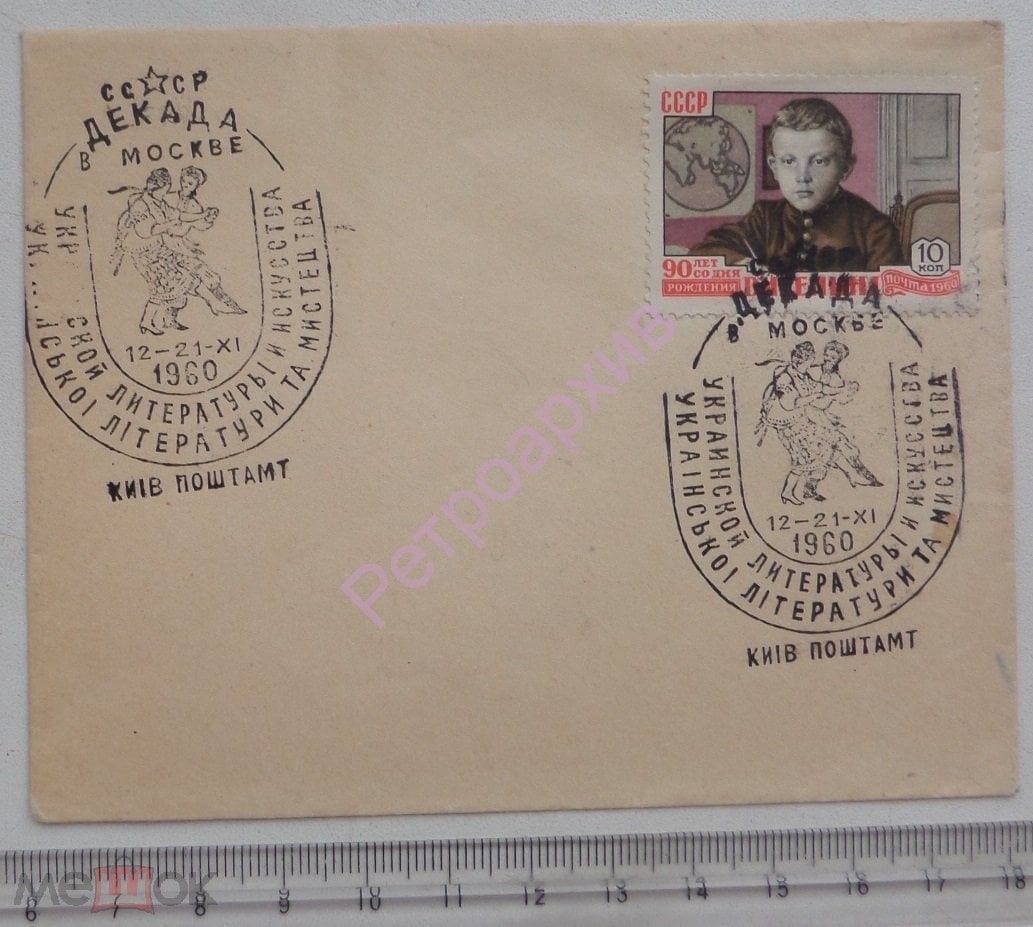
Ukrainian Art and Literature (Moscow, 1960)
On November 12-23, 1960, Moscow hosted the Decade of Ukrainian Literature and Art, in which, to Druker's surprise, much attention was paid to the Yiddish writers of Ukraine, who were shot in 1952 in the Lubyanka cellars on Stalin's orders. Note that the dates of Decade events listed by Druker go far beyond the announced ten days. From this letter we learn that the Decade of Ukrainian Literature and Art featured the Yiddish writers Leyb Kvitko, Perets Markish and Itsik Fefer, who were among Stalin’s victims in 1952, as well as the great Yiddish actor and chairman of Jewish Anti-Fascist Committee Shloyme Mikhoels, who lived in Ukraine shortly in 1911-13.