


DATE: October 6, 1961
ROUTE: Kiev to Kiev
LANGUAGE: Yiddish (with traditional spelling of Hebrew-derived words)
SOURCE: Center for the Studies of History and Culture of East European Jewry (Judaica Center)
Rg: 127
ASSOCIATES:
Pinkhes Volfman
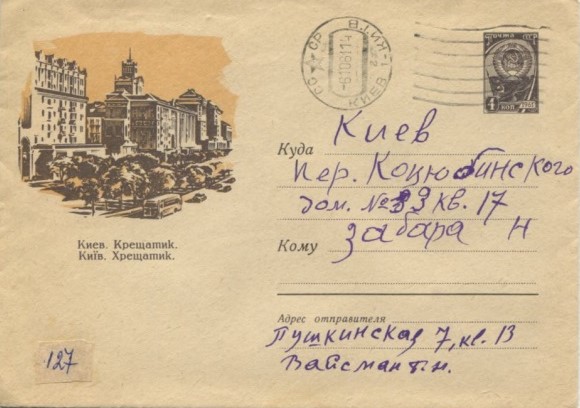
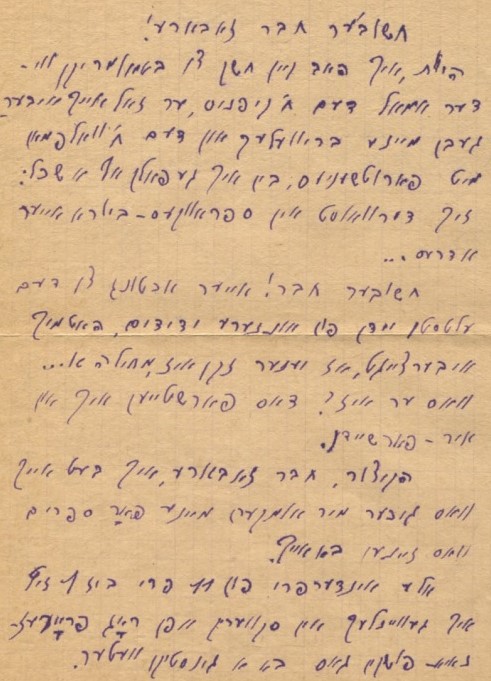
!חשובער חבר זאבארע
היות איך האָב קיין חשק צו באאומרויִקן ווידער אמאָל דעם ח' קיפּניס, ער זאָל אײַך איבערגעבן מײַנע בריוועלעך און דעם ח' וואָלפמאן מיט פּאָרוטשעניעס, בין איך געפאלן אף א שׂכל: איך דערוואוסט אין ספּראווקעס־ביוראָ אײַער אדרעס...
חשובער חבר! אײַער אכטונג צו דעם עלטסטן ייִדן פון אונדזערע ידידים האָט מיך איבערצײַגט, אז יעדער זקן איז, מחילה א... וואָס ער איז? דאָס פארשטייען איך און איר – פארשיידן.
הקיצור, חבר זאבארע, איך בעט אײַך וואָס גיכער מיר אומקערן מײַנע פּאָר ספרים וואָס זײַנען בא אײַך.
אלע אינדערפרי פון 11 פרי ביז 1 זיץ איך געוויינלעך אין סקוועריק אפן ראָג פּראָרעזנאיא – פּושקין בא א גינסטיקן וועטער.
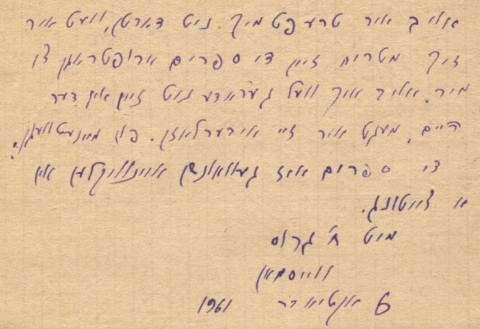
אויב איר טרעפט מיך ניט דאָרטן, וועט איר זיך מטריח זײַן די ספרים ארופטראָגן צו מיר. אויב איך וועל געראדע ניט זײַן אין דער היים, מעגט איר זיי איבערלאָזן. פון מײַנעטוועגן: די ספרים איז געוואונטשן אײַנוויקלען אין א צײַטונג.
מיט ח' גרוס,
ווײַסמאן.
6 אָקטיאבר 1961
CONTENT
The Kyiv-based retired Yiddish journalist and teacher of Jewish languages Boruch Vaysman asks Zabara to return several books that the latter had borrowed from him.
Vaysman mentions their mutual acquaintances - the Yiddish writer Itsik Kipnis and the retired Yiddish journalist Pinkhes Volfman - but notes that he did not wish to trouble them with the request to deliver the letter. Instead, he obtained the recipient’s address through an inquiry office.
He writes that, weather permitting, he sits daily in a public garden from 11 a.m. to 1 p.m. If the addressee cannot find him there, the books should be brought to his home.
Vaysman adds that the books should be wrapped in newspaper (perhaps because they are in a Jewish language and he prefers not to draw the attention of passersby).
FACTS AND EVENTS
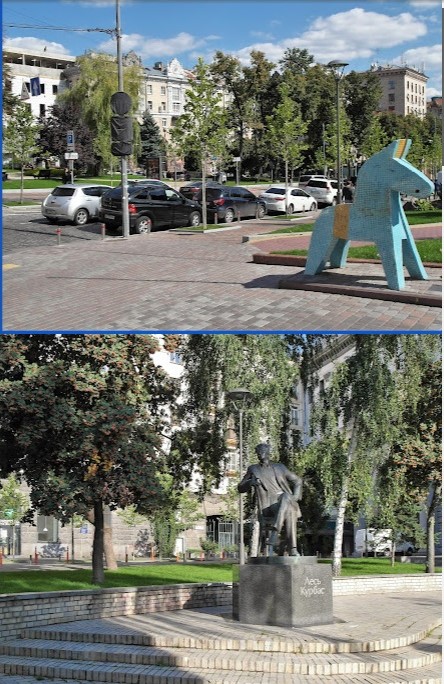
The proposed place of the meeting - the small public garden at the corner of Prorizna and Pushkin (since 2022 Pushkin street is officially called “Вулиця Євгена Чикаленка” [Yevhena Chykalenka St.])
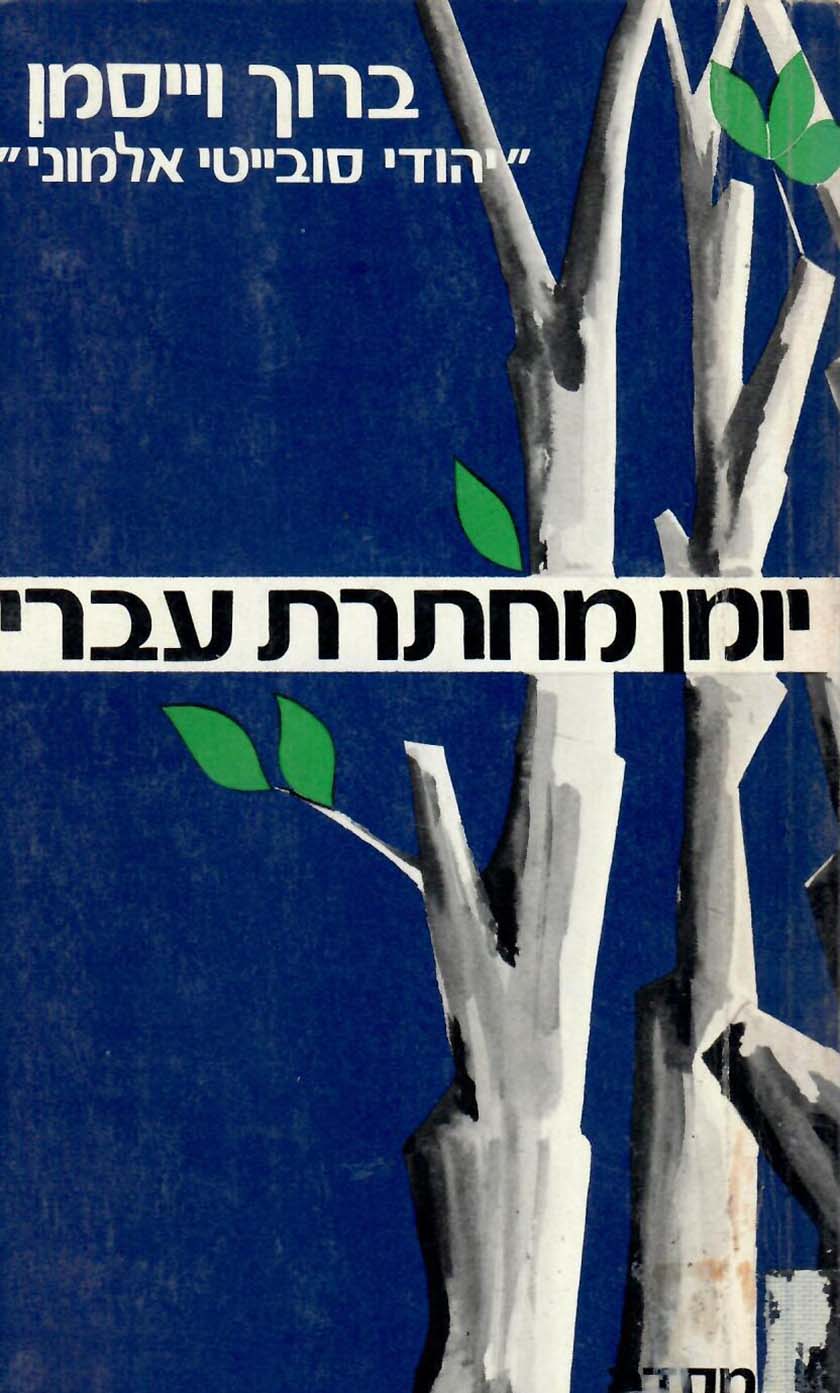
Since the end of 1955, Vaysman led a secret life as an underground writer: his texts were regularly smuggled to Israel, where they appeared in the newspaper Davar under the heading “El Eḥai be-Mdinat Yisrael” (“To My Brethren in the State of Israel”) without his name being mentioned. These writings were also read aloud on Israeli radio, becoming, for many listeners, the living voice of Soviet Jewry. In 1973, a new edition of Vaysman's texts was published under the title Yoman Makhteret Ivri (Hebrew Underground Diary), but it also includes only a portion of his writings.
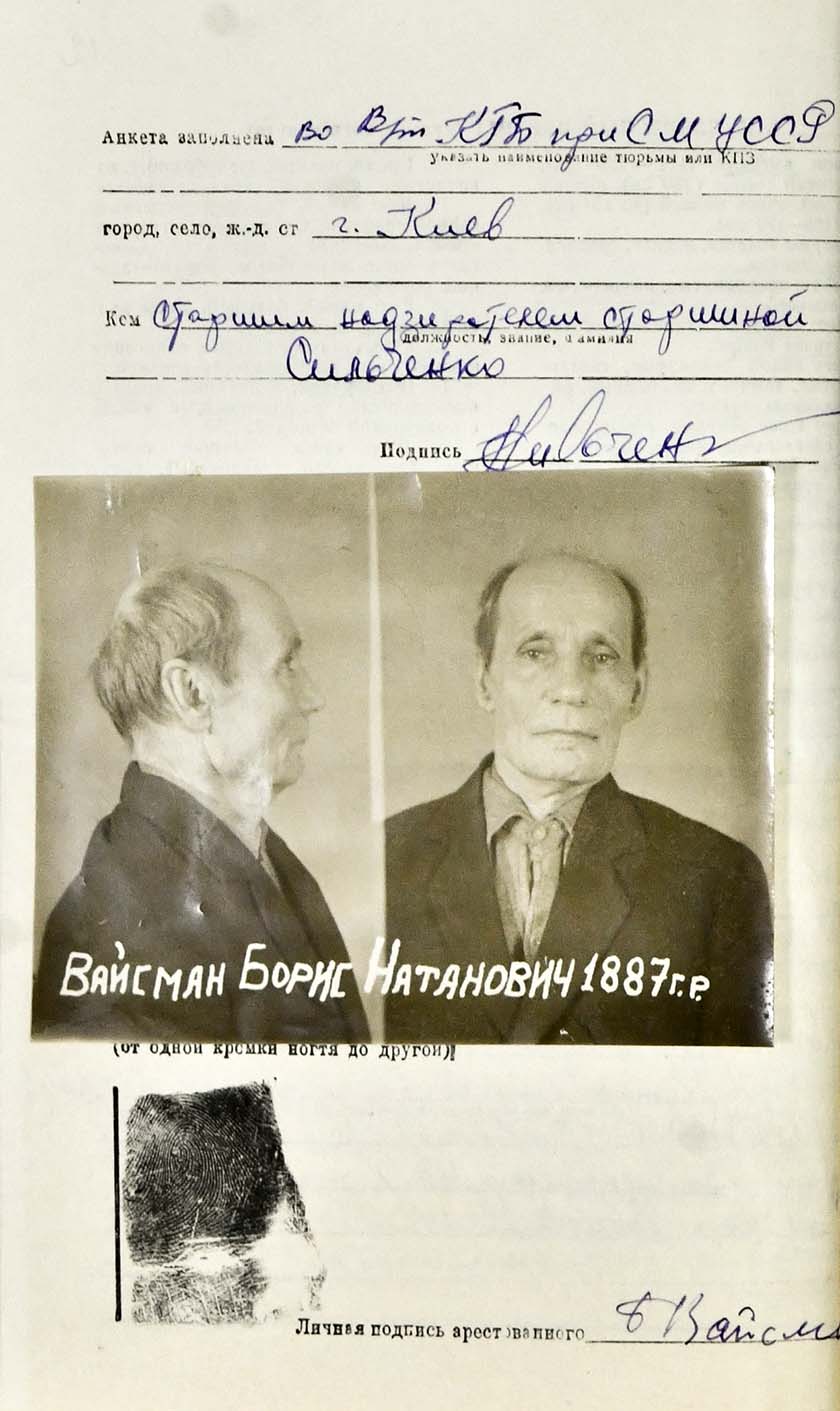
files of Boruch Vaysman
Boruch Vaysman (1887-1962) was born in the shtetl of Slovechno, Ovruch District, Volhynia. Both of his parents - his father, Natan (Nute), and his mother, Basya, died violent deaths. His mother - in 1919, during the Petlyura pogroms; his father - in 1941 in Babi Yar. In February 1957, Kiev KGB officers arrested Boruch Vaysman, a seventy-year-old pensioner who lived in the center of Kiev. The investigation claimed that Vaysman had authored handwritten writings that the authorities considered anti-Soviet and nationalistic. These documents were kept in the apartment of another Kiev resident, B. Leybenzon, who was preparing to emigrate to Israel. Another of Vaysman's "misdemeanors" was reading "Zionist newspapers" from Israel. Vaysman was indeed a convinced Zionist and an underground Hebrew writer. Despite bans and the risk of arrest, he not only created his texts in Kiev in the 1950s, but also managed to anonymously publish his works in Israel.